
Your phone is personal.
Defend it.
A plain-English guide to U.S. consumer protections against unwanted calls, robotexts, deceptive sales pitches, and abusive collection contact.
Know the framework
Three protections. Different rules. One clearer starting point.
TCPA
Calls, texts, and regulated technology
Open explainerFCC
The federal communications rulebook
Open explainerDNC
The National Do Not Call Registry
Open explainerLooking for practical steps first? Read the guide on how to stop spam calls.
Start with the facts
A call can be unwanted without being unlawful.
The caller, purpose, technology, consent history, opt-out request, and timing all matter. Our explainers separate those questions instead of making promises.
Review violation examples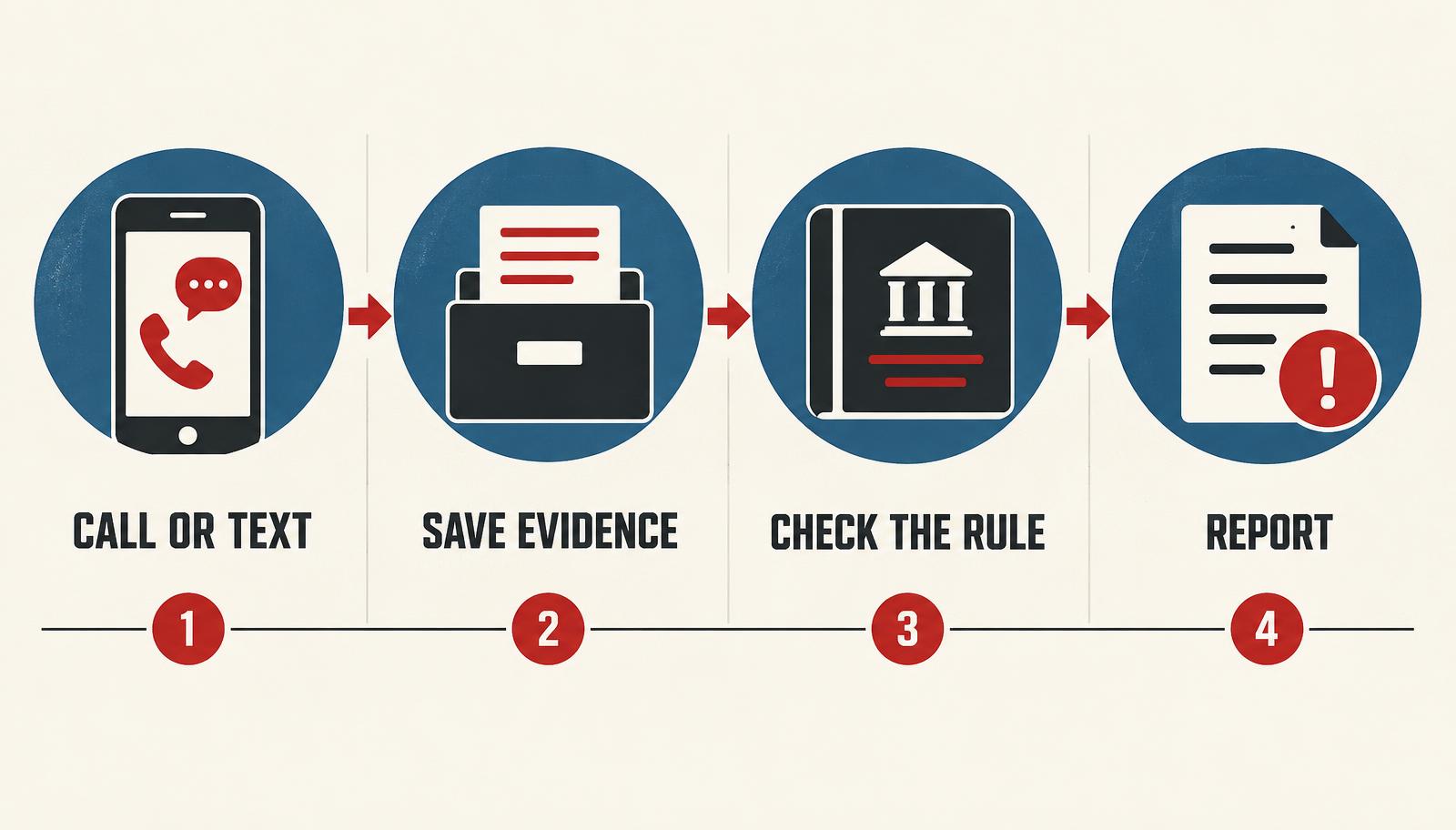
What brought you here?
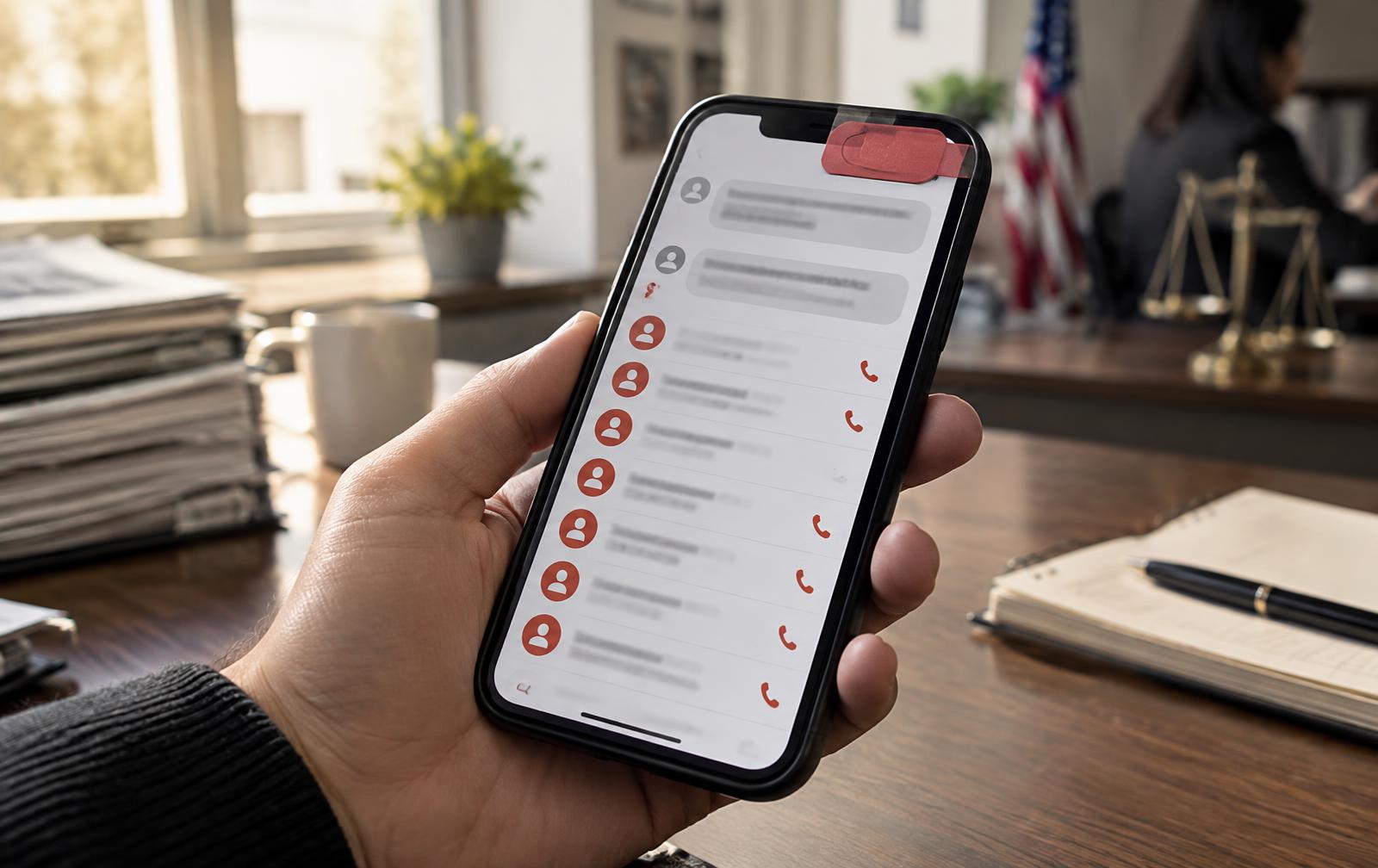
Unwanted marketing
Prerecorded sales calls, AI voices, and automated marketing texts may require consent.
Do Not Call breaches
Sales calls after registration or after a company-specific stop request may raise separate issues.
Debt collection pressure
Federal debt-collection rules address call timing, frequency, harassment, and requests to stop.
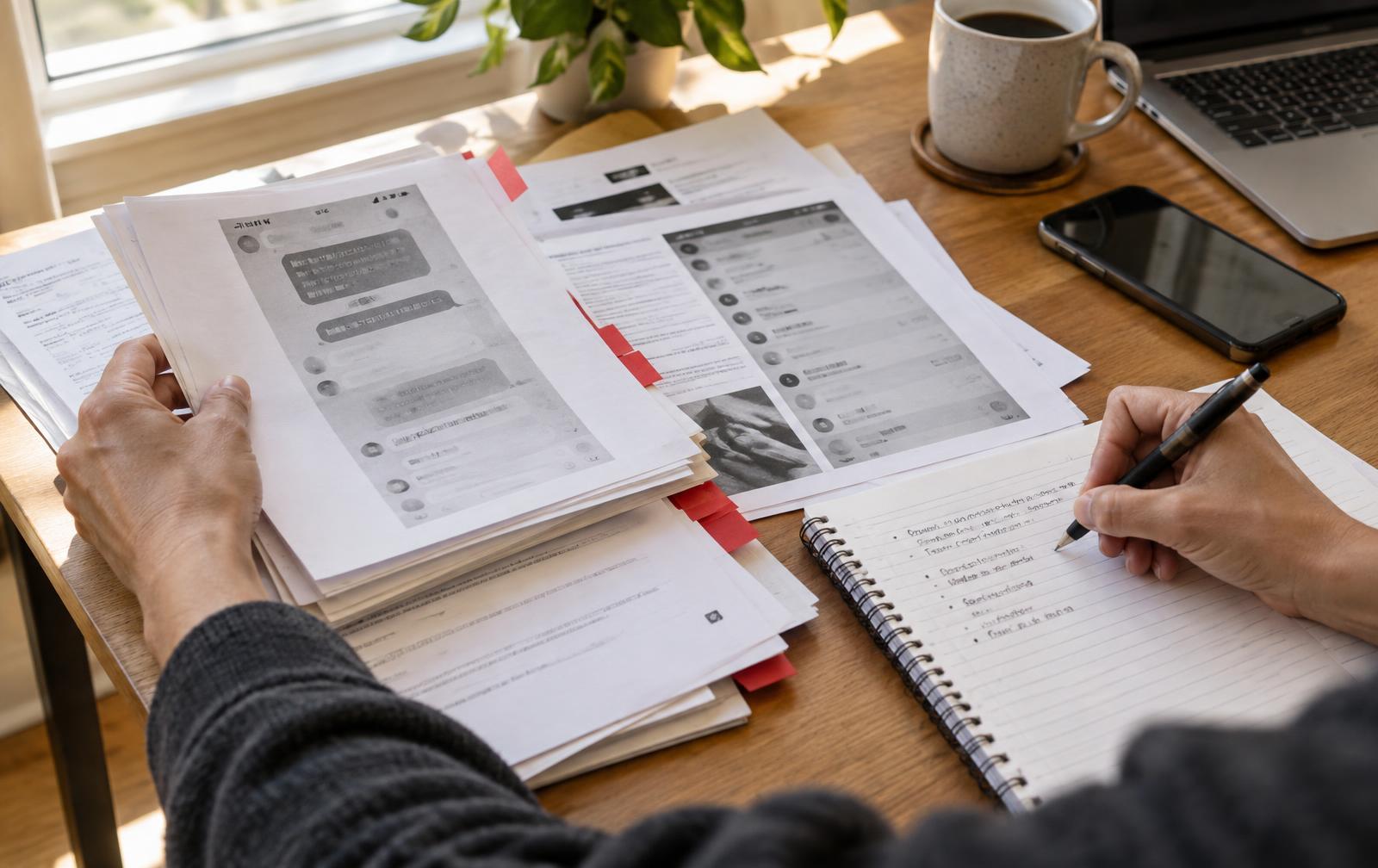
Evidence notebook
Save first. Sort out the law second.
Keep original texts, voicemails, call logs, dates, phone numbers, the company named, and records of any stop request. A clean timeline helps regulators or an attorney understand what happened.
Open the reporting checklist$500
Statutory amount per TCPA violation
Up to $1,500 for a willful or knowing violation.
The TCPA authorizes actual monetary loss or $500 per violation, whichever is greater, and allows a court to increase damages. These amounts are not automatic and do not predict an individual result.